
Ear wax: causes, softening drops and when to seek help
Ear wax (cerumen) is normal and protects the ear canal. Most people never need to remove it. When it does build up, cotton buds are usually part of the problem, and water-based softening drops are the sensible first step.
- Why it builds up: cotton buds and hair pins, hearing aids and ear plugs, narrow ear canals, and skin conditions such as eczema.
- First step: sterile water-based drops, used as directed for several days. Water is a better solvent than oil, and trials have not shown oil to be better.
- Avoid: cotton buds, hair pins and pushing any object into the ear.
- See your GP if: drops have not worked after about two weeks, or you have ear pain, discharge, sudden hearing loss, dizziness, or a known hole in the eardrum.
- Removal in clinic: microsuction is the safest option for most people. It uses gentle suction under a microscope and no water.
Why do we have ear wax?

Ear wax (cerumen) is a normal secretion of the ear canal. It is slightly acidic, which helps to protect the canal against bacteria and fungi, and it traps dust and debris. The skin of the ear canal is constantly renewing itself. The wax is carried gently outwards, usually without you noticing.
Most people never have a problem with their wax. Some people, however, produce more wax than usual, or their ear canal does not move the wax out as efficiently. Wax can then build up and become impacted. This can cause muffled hearing, a feeling of fullness, itching, mild ear ache, or a sensation of blockage.
What makes wax build up?
- Cotton buds and hair pinsThis is the most common cause. Cotton buds push wax deeper into the canal, and they scratch the delicate skin that moves the wax out. When the skin regrows, it can itch, which tempts people to scratch more. Please avoid cotton buds in the ear canal completely.
- Hearing aids and ear plugsThese can trap wax against the canal wall.
- Narrow or unusually shaped ear canalsThese make wax harder to move out.
- Skin conditions of the ear canalEczema, psoriasis and ear infections can all affect how wax is cleared.
Can I soften wax at home?
Yes, for mild blockages. Softening drops are the sensible first step. They can often clear wax by themselves over several days.
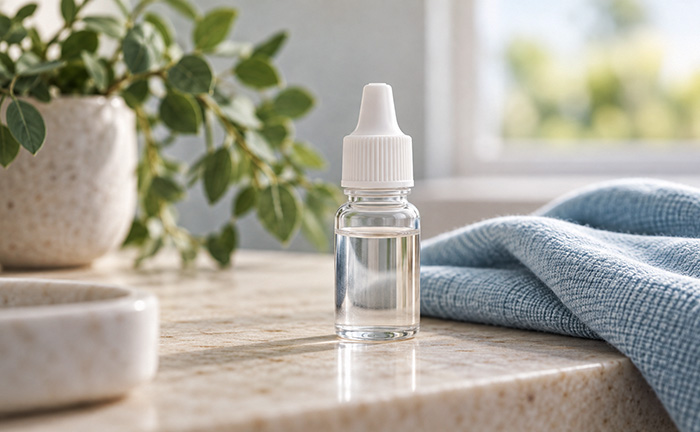
Drops that are commonly used
- Sterile water-based dropsThese are the first choice. Plain sterile water or sterile saline is suitable, and sterile distilled water is a good option. Water-based drops help to loosen and dissolve wax.
- Sodium bicarbonate dropsThese are also widely used and are effective. Their pH is higher than the ear canal's, however, and some people find they make the ear itchy. If you use them and your ear becomes itchy or sore, stop and speak to your GP or pharmacist.
- Oil-based drops, such as olive oilThese are commonly recommended in leaflets. Clinical trials have not shown oil-based drops to be better than water-based drops, and laboratory work suggests water is the more effective solvent. I therefore prefer water-based drops. Oil can also make later removal by a specialist more difficult.
How to use drops
- Check the product label for the exact instructions, and use only the number of drops it recommends.
- Warm the bottle in your hand for a minute, so the drops are not cold in the ear.
- Lie on your side with the affected ear facing upwards, or tilt your head to the side.
- Gently place the drops into the ear canal, and keep your head tilted for about five minutes. A small cotton wool plug can help keep the drops in place.
- Repeat as directed, usually once or twice a day for several days. Stop if your ear becomes painful, itchy or sore.
Do not use drops if you know or suspect a hole in the eardrum, if you have recently had ear surgery or grommets, or if your ear is discharging or painful. In these situations, please see your GP before using any drops.
When should I see my GP or a specialist?
Drops often work well, but please book an appointment if:
- Drops have not cleared the blockage after about two weeks
- You have ear pain, discharge, or sudden hearing loss
- You feel dizzy, or have a ringing sensation that is new or troubling (see my article on tinnitus)
- You have had a previous ear operation or grommets, or you have a known hole in your eardrum
- You are on blood thinners, have diabetes, or have a weakened immune system
- You use hearing aids and wax keeps building up
- You are a young child, or someone who cannot easily tell me about symptoms
Please do not try to clear wax with cotton buds, hair pins, or by pushing objects into the ear.

How is wax removed in clinic?
The safest option for most people is microsuction. A specialist uses a fine suction device under direct microscope vision to remove the wax gently. It does not involve putting water into the ear, so it suits many people who cannot have their ears syringed. It is quick and usually comfortable. Microsuction is also useful for people with recurrent wax, who may need it every few months.

Ear syringing (irrigation) is still used in many surgeries. It is generally safe when done carefully, but it is not suitable for everyone. Your GP or nurse will check for reasons not to do it (contraindications) before it is performed. If you have any of the features listed above, please tell them first.
After your wax has been removed
- Please do not put anything into the ear canal afterwards, including cotton buds.
- If you notice the wax building up again quickly, speak to your GP. Recurrent wax is common, and there are sensible ways to manage it.
- Hearing aid users should have their ears checked regularly for wax.
Summary
- Ear wax is normal and protective, and cotton buds usually make it worse.
- Water-based softening drops are the first step for mild blockages. Use them as directed for a few days.
- Avoid putting objects into the ear.
- If drops have not worked after about two weeks, or if you have pain, discharge, sudden hearing loss or any of the other features above, please see your GP.
- Microsuction is the most suitable removal method for many people, and your GP can arrange referral.
Book an appointment with Dr Natasha Thandrayen
A 30- or 60-minute appointment at Harley Street with a GP who will listen, examine your ears, and set out a clear plan. Always the same doctor, every appointment.
Book an Appointment 0207 935 1711Frequently asked questions
Is it safe to clean my ears with cotton buds?
No. Cotton buds are the most common cause of wax build-up. They push wax deeper into the canal, and they scratch the delicate skin that moves the wax out. When the skin regrows, it can itch, which tempts people to scratch more. Please avoid cotton buds in the ear canal completely.
What are the best ear drops for wax?
Sterile water-based drops are the first choice. Plain sterile water or sterile saline is suitable, and sterile distilled water is a good option. Sodium bicarbonate drops are also effective, but some people find they make the ear itchy. Use the drops as directed on the label, usually once or twice a day for several days, and stop if your ear becomes painful, itchy or sore.
Is olive oil better than water for ear wax?
No. Oil-based drops such as olive oil are commonly recommended in leaflets, but clinical trials have not shown them to be better than water-based drops. Laboratory work suggests water is the more effective solvent. Oil can also make later removal by a specialist more difficult, so I prefer water-based drops.
When should I see a GP about ear wax?
Please book an appointment if drops have not cleared the blockage after about two weeks, or if you have ear pain, discharge or sudden hearing loss. See your GP too if you feel dizzy, have new or troubling ringing in the ear, have had ear surgery or grommets, or have a known hole in the eardrum. People on blood thinners, with diabetes or with a weakened immune system, hearing aid users whose wax keeps building up, and young children should also be seen.
Can I use ear drops if I have a hole in my eardrum?
No. Drops should not be used if you know or suspect a hole in the eardrum, if you have recently had ear surgery or grommets, or if your ear is discharging or painful. In these situations, please see your GP before using any drops.
What should I do after my ear wax has been removed?
Please do not put anything into the ear canal afterwards, including cotton buds. If the wax builds up again quickly, speak to your GP, because recurrent wax is common and there are sensible ways to manage it. If you use hearing aids, have your ears checked regularly for wax.
What is microsuction for ear wax?
Microsuction is the safest removal option for most people. A specialist uses a fine suction device under direct microscope vision to remove the wax gently. It does not involve putting water into the ear, so it suits many people who cannot have their ears syringed. It is quick and usually comfortable, and it is useful for people with recurrent wax, who may need it every few months.
Key sources
- Aaron K, et al. Ear drops for the removal of ear wax. Cochrane Database Syst Rev. 2018. doi:10.1002/14651858.CD012171.pub2
- Schwartz SR, et al. Clinical practice guideline (update): earwax (cerumen impaction). Otolaryngol Head Neck Surg. 2017. doi:10.1177/0194599816671491
- Munro K, et al. Ear wax management in primary care: what the busy GP needs to know. Br J Gen Pract. 2023. doi:10.3399/bjgp23x732009
- Sarode D, et al. Aural microsuction. BMJ. 2017. doi:10.1136/bmj.j2908
This information is for general guidance and does not replace an individual assessment. If you are unsure, or your symptoms are changing, please speak to your GP.