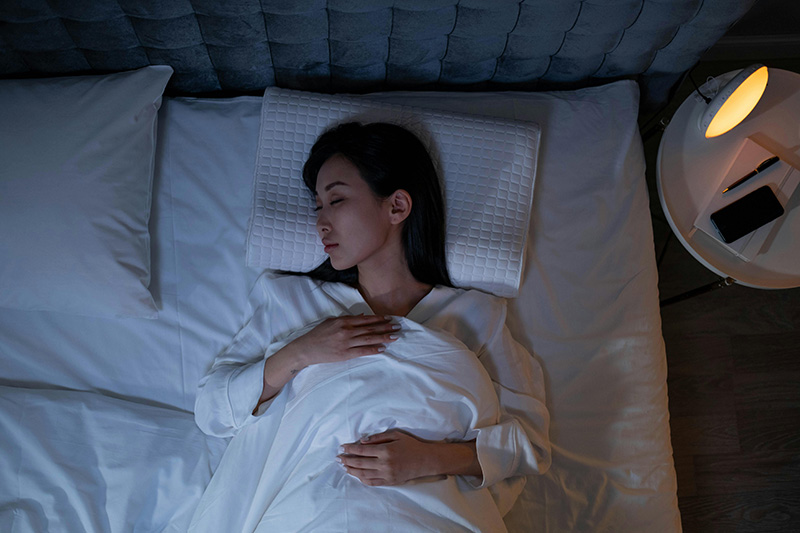
Sleep hygiene: what it is, whether it works, and the 7 key principles
Sleep hygiene refers to the habits, behaviours, and environmental conditions that support good quality sleep. It is the most widely discussed approach to improving sleep, and it forms the foundation of almost every sleep programme. But how effective is it really, and what exactly should you be doing?
What is sleep hygiene?
Sleep hygiene encompasses both what you do in the hours before bed and the conditions in which you sleep. It includes maintaining a consistent sleep schedule, avoiding substances that interfere with sleep, managing light and temperature, and creating a wind-down routine. It is often presented as a simple checklist, but the reality is more nuanced — the same behaviours work differently for different people, and individual factors such as age, lifestyle, chronotype, and underlying medical or psychological conditions all influence results. Sleep hygiene is best understood as a set of evidence-based foundations rather than a one-size-fits-all prescription.
Does sleep hygiene actually work?
The honest answer is: it depends. Sleep hygiene can be genuinely helpful for people with mild sleep difficulties or suboptimal sleep habits — someone who consistently goes to bed at different times, drinks coffee late in the evening, and uses their phone in bed will likely see meaningful improvement by addressing these behaviours. However, research consistently suggests that sleep hygiene is less effective than Cognitive Behavioural Therapy for Insomnia (CBT-I) — a structured, evidence-based treatment that addresses the thought patterns, behaviours, and habits that perpetuate chronic insomnia.
For persistent insomnia, using sleep hygiene alone as the primary intervention is of limited value. Most sleep medicine specialists recommend it as one component of a broader approach rather than a standalone treatment. Where sleep hygiene is most valuable is as a set of foundations: getting these basics right creates the best possible conditions for sleep, regardless of what else is contributing to the difficulty. It removes the obstacles without necessarily solving the underlying problem, but it is an essential part of any comprehensive plan.
The 7 key components of sleep hygiene
1. A consistent sleep schedule
Going to bed and waking up at the same time every day — including weekends — is one of the most effective and evidence-supported sleep hygiene measures. The body's circadian rhythm, the internal biological clock that regulates the sleep-wake cycle, thrives on consistency. Irregular sleep times disrupt this rhythm, making it harder to fall asleep at the intended time and harder to feel alert the following day. If you need to shift your schedule — for example, if you have drifted to a later pattern and want to move it earlier — do so gradually, by around 15 to 30 minutes per night rather than all at once.
2. A relaxing bedtime routine
A wind-down period of 30 to 60 minutes before bed signals to the body that sleep is approaching. This might include reading a physical book, light stretching or gentle yoga, journalling, listening to calm music, or taking a warm bath. The latter is worth mentioning specifically: the warm water raises skin temperature, and the subsequent drop in body temperature that occurs when you emerge triggers a physiological response associated with sleep onset. The key is to choose activities that are genuinely relaxing for you as an individual, and to do them consistently enough that they begin to function as conditioned cues for sleepiness.
3. A comfortable sleep environment
The bedroom environment directly affects sleep quality, and it is worth taking each of its components seriously. Temperature is one of the most important factors: most people sleep best in a slightly cool room, around 18 degrees Celsius. The body needs to lower its core temperature to initiate and maintain sleep, and a warm room impedes this process.

Darkness matters significantly. Blackout blinds or a well-fitting sleep mask can meaningfully improve sleep quality, particularly in summer or in urban environments with significant light pollution at night. Even low levels of ambient light can suppress melatonin production and shift the circadian rhythm. Noise is another factor worth addressing: if it cannot be controlled at source, earplugs or a white noise machine are both effective options. Finally, consider what your bed is used for. Ideally, the bed should be associated only with sleep and sex — not with working, watching television, scrolling on a phone, or eating. When the bed is used for multiple purposes, the brain's association between the bed and sleep weakens, making it harder to feel sleepy when you lie down.
4. Limiting screen time before bed
The blue-spectrum light emitted by phones, tablets, laptops, and televisions suppresses melatonin production and shifts the circadian rhythm later, making it harder to fall asleep at your intended time. Reducing screen use for at least an hour before bed is the standard recommendation. Night mode settings and blue-light-blocking glasses may reduce the impact to some degree, but the evidence for their effectiveness is more modest than that for simply reducing screen use. There is also a separate consideration: the content of what you are viewing matters independently of the light. Scrolling through social media or reading the news is cognitively and emotionally activating in a way that is incompatible with the gradual deactivation that precedes sleep.

"So nice to have someone listen to me, and take the time to look through all my concerns."
5. Managing caffeine, alcohol, and nicotine
Caffeine has a half-life of approximately five to six hours in most adults, which means that half of a cup of coffee consumed at three in the afternoon is still active in your system at nine in the evening. For individuals who are sensitive to caffeine — and sensitivity varies considerably between people — cutting off consumption after midday is often advisable. This includes not only coffee but also tea, cola, energy drinks, and some medications.
Alcohol is one of the most common misconceptions in sleep. Many people use it to help them fall asleep, and it does indeed have a sedating effect that can shorten sleep-onset time. However, alcohol significantly disrupts the second half of sleep — it suppresses REM sleep and causes fragmented, unrefreshing rest as it is metabolised. The net effect is typically worse sleep overall, not better. It is not a sleep aid. Nicotine is a stimulant, and smoking close to bedtime can make it harder to fall asleep; withdrawal during the night is also a common cause of early morning waking in regular smokers.
6. Regular physical activity
Regular exercise consistently improves both sleep quality and sleep duration across a broad range of populations and study designs. The mechanisms include reductions in anxiety and depression, changes in core body temperature, and direct effects on the circadian rhythm. The timing of exercise in relation to sleep is a common source of concern. For most people, the evidence suggests that exercise at any time of day is beneficial. However, vigorous exercise within two to three hours of bedtime can be stimulating for some individuals and delay sleep onset. Earlier in the day is generally preferable for those who notice this effect, but the most important thing is that exercise occurs at some point — the benefits to sleep are too substantial to sacrifice in the name of timing.
7. Managing anxiety about sleep
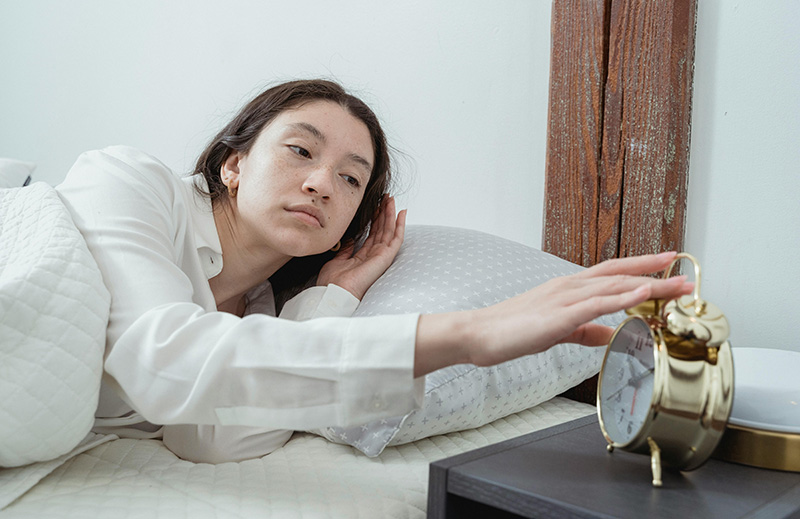
This is perhaps the most underappreciated component of sleep hygiene, and in some respects it sits at the boundary between sleep hygiene and CBT-I proper. Spending time in bed monitoring your sleep — watching the clock, calculating how many hours you have left before your alarm, worrying about how poor sleep will affect your functioning the next day — paradoxically worsens the very problem you are trying to solve. The brain learns, through repeated pairing, to associate the bed with wakefulness and anxious mental activity rather than with sleep. Over time, this conditioned arousal becomes one of the primary drivers of chronic insomnia.
Sleep trackers can be counterproductive for some people, increasing anxiety about sleep metrics and reinforcing a hypervigilant relationship with sleep. Cultivating an attitude of acceptance — acknowledging that some nights will be imperfect, and that this is not a catastrophe — is genuinely therapeutic. The goal is not to force sleep but to create the conditions in which sleep can occur naturally.
The importance of a consistent sleep schedule
Of all the sleep hygiene measures, maintaining a regular sleep-wake schedule has the most robust evidence base and arguably the broadest effects on health. It directly regulates the circadian rhythm, which controls not only the timing of sleep but also mood, metabolism, immune function, hormone regulation, and cognitive performance. Disrupting this rhythm — through shift work, highly irregular hours, or what researchers call "social jet lag" (the pattern of sleeping significantly later on weekends than on weekdays) — has measurable negative effects on health that extend well beyond feeling tired. Keeping as consistent a schedule as possible, including on days when you feel you have slept poorly the night before, is one of the most powerful behavioural tools available for improving sleep over time.
When sleep hygiene isn't enough
If you have been implementing good sleep hygiene consistently and are still struggling with sleep, it is likely that other factors are contributing. Persistent difficulty sleeping — whether that means difficulty falling asleep, difficulty staying asleep, or waking too early, occurring on three or more nights per week for three or more months — meets the clinical criteria for chronic insomnia disorder.
The recommended treatment for chronic insomnia is CBT-I, which has excellent long-term evidence and is superior to sleeping medication in most respects. CBT-I addresses the cognitive and behavioural factors that perpetuate insomnia — including the conditioned arousal, sleep-related anxiety, and unhelpful beliefs about sleep described above. It can be delivered on an individual basis, in groups, or via digital platforms, and it produces durable improvements that are maintained after treatment ends, unlike medication whose benefits cease when it is stopped.
If you are concerned about your sleep, or if poor sleep is significantly affecting your quality of life, mood, or ability to function, it is worth seeking professional advice rather than simply continuing to manage alone. Dr Natasha has undertaken additional training in insomnia management and CBT-I at Oxford University, and can assess whether a more comprehensive approach — including a full sleep assessment — would be beneficial for you.